Pelvic Organ Prolapse
Pregnancy and childbirth can place significant strain on the pelvic floor muscles and supportive tissues, which may increase the risk of pelvic organ prolapse. If prolapse develops, a range of treatment options may help restore support and relieve symptoms. Care may include hormone therapy to improve tissue health, minimally invasive surgical procedures, or supportive devices such as pessaries designed to help hold pelvic organs in their proper position. A personalized treatment plan can help address symptoms and improve comfort and quality of life.
Questions and Answers
What causes uterine prolapse?
Uterine prolapse occurs when the muscles and connective tissues that support the uterus become weakened, allowing the uterus to shift downward into the vaginal canal. One of the most common causes of this weakening is pregnancy and vaginal childbirth, which can stretch and strain the pelvic floor muscles.
Pelvic support can also decrease with aging and menopause. As estrogen levels decline, the tissues of the vagina and pelvic floor may become thinner and less elastic. This loss of strength and support can contribute to the development of uterine prolapse.
Certain health conditions and lifestyle factors may also increase the risk. Chronic coughing, obesity, and long-term constipation that leads to frequent straining during bowel movements can place repeated pressure on the pelvic floor, gradually weakening the muscles that support the uterus.
What are the symptoms of pelvic organ prolapse?
- Urinary incontinence
- Vaginal wall prolapse
- Bulging of your vagina
- Difficulty emptying your bladder
- Difficulty having a bowel movement
- Loss of sexual sensations during intercourse
How is uterine prolapse treated?
Treatment for uterine prolapse depends on the severity of the condition and the symptoms you are experiencing. In many cases, initial treatment focuses on strengthening the pelvic floor muscles and improving pelvic support.
Pelvic floor exercises: Daily pelvic floor exercises, such as Kegels, can help strengthen the muscles that support the uterus and other pelvic organs. These exercises may reduce symptoms and help prevent the prolapse from worsening.
Additional treatment options may include:
Estrogen vaginal therapy: Local estrogen treatments, such as vaginal suppositories, rings, or creams, may help improve the strength and elasticity of vaginal and pelvic tissues, particularly after menopause.
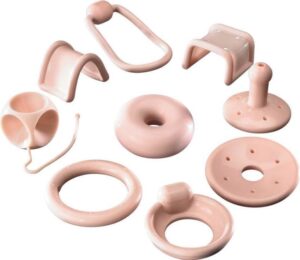
Supportive devices: A pessary is a removable device placed in the vagina to support the uterus and surrounding organs. This option may be recommended for patients who are not candidates for surgery or prefer a nonsurgical approach.
Physical therapy: Pelvic floor physical therapy can help strengthen the muscles that support the pelvic organs and may reduce discomfort, pressure, or other symptoms associated with prolapse.
Surgery: In more severe cases, surgical treatment may be recommended to restore proper pelvic support.
Cystocele repair: This procedure corrects a condition in which the bladder bulges into the vaginal wall by repairing and reinforcing the supportive tissue.
Rectocele repair: Rectocele repair addresses a bulging of the rectum into the vagina by strengthening the tissue that separates the rectum from the vaginal canal.
Vaginal vault suspension: This procedure restores support to the top of the vagina by attaching it to supportive structures within the pelvis.
Hysterectomy: If the uterus has descended into the vaginal canal, surgical removal of the uterus may be recommended to relieve symptoms and restore pelvic support.
If you are experiencing symptoms of uterine prolapse, a consultation with a healthcare provider can help determine the severity of the condition and identify the most appropriate treatment options.